How deep can a gold detector detect? A practical guide for Pakistan
It is the first question almost every buyer asks, and the honest answer is: it depends on the target more than the machine. A detector that finds a large metal box several feet down may miss a small gold nugget a few centimetres under the surface. The depth printed on a box or spec sheet is a maximum for large targets in good ground, not what you will get on a small nugget.
What decides detection depth
- Target size. This matters most. A detector's signal weakens very quickly with distance, so a target twice as big can be found much deeper.
- Target shape and position. A flat coin lying face-up is easier to detect than the same coin standing on its edge.
- Ground mineralisation. Iron-rich soil and hot rocks, common in Pakistan's goldfields, reduce the depth of VLF machines sharply. PI and ZVT machines lose much less.
- Coil size. Bigger coils see deeper on large targets but are less sensitive to tiny gold. See coil size: depth vs sensitivity.
- Technology and settings. Sensitivity, ground balance and the operator's skill all change the result on the day.
Realistic depths by detector type
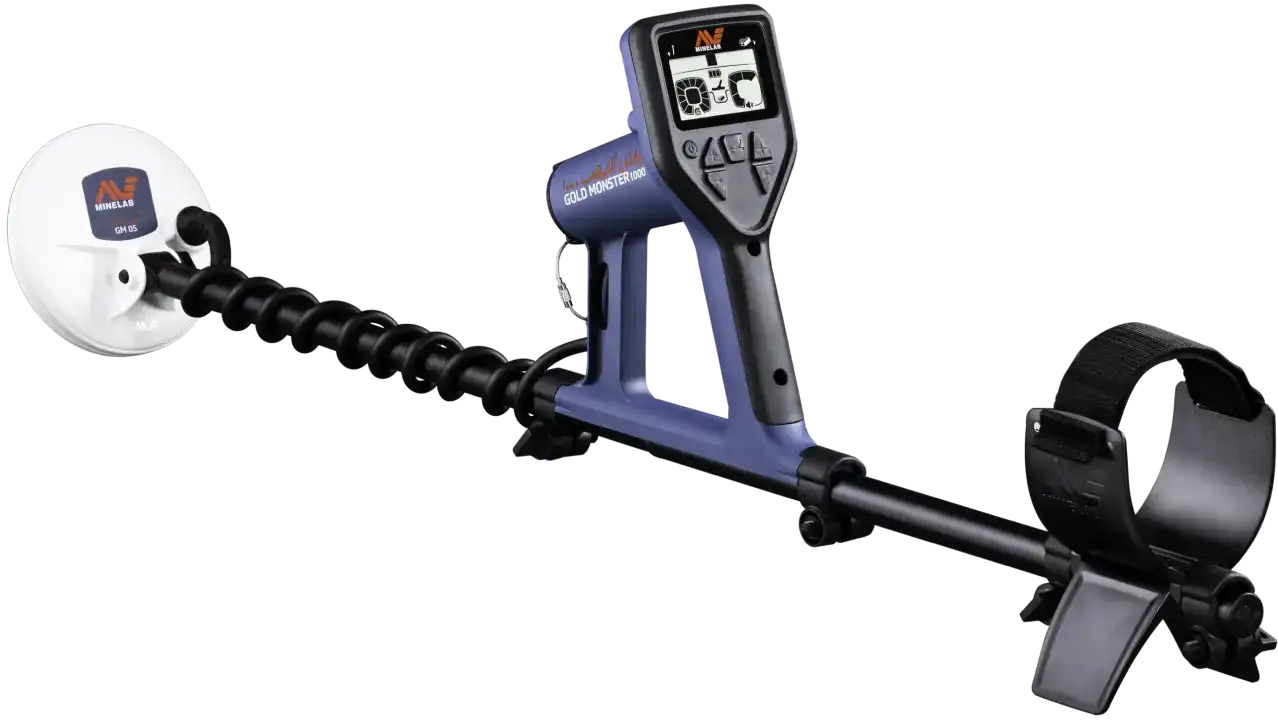
- VLF gold detectors (for example the Gold Monster 1000 or Gold Kruzer): excellent on very small gold near the surface. Rice-grain nuggets are found at a few centimetres, and coin-sized targets typically at 20 to 30 cm in reasonable ground. Manufacturers rate the maximum for large targets at around 2 feet.
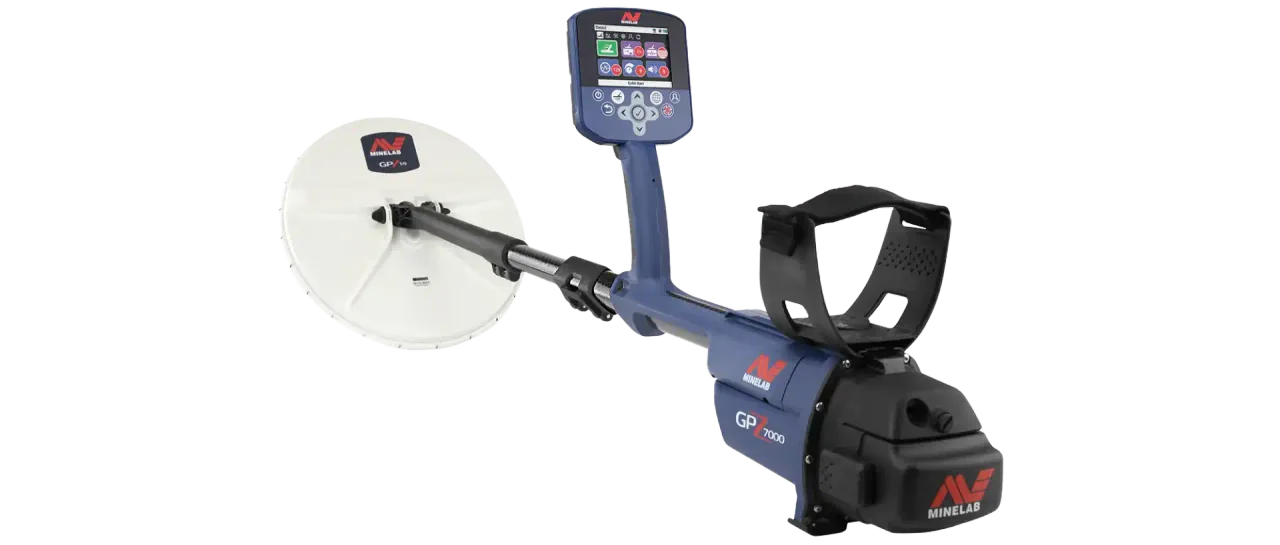
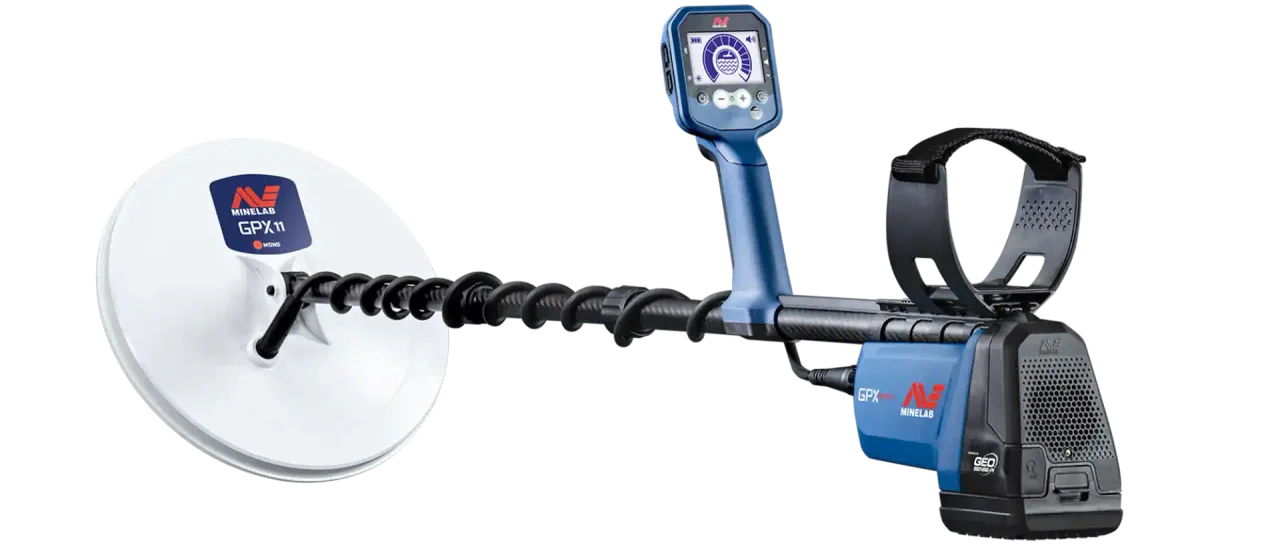
- Pulse induction and ZVT (for example the GPX 6000 or GPZ 7000): noticeably deeper on nuggets in mineralised ground, which is why prospectors pay more for them. Large targets are rated up to about 4 feet.
- Long range locators (for example the AKA Signum or the GoldXtra Revealer): sold for large-area, deep searches, with manufacturer ratings of around 4 to 6 feet for large targets. Results vary a lot with ground conditions, so treat these figures as the maker's claims.
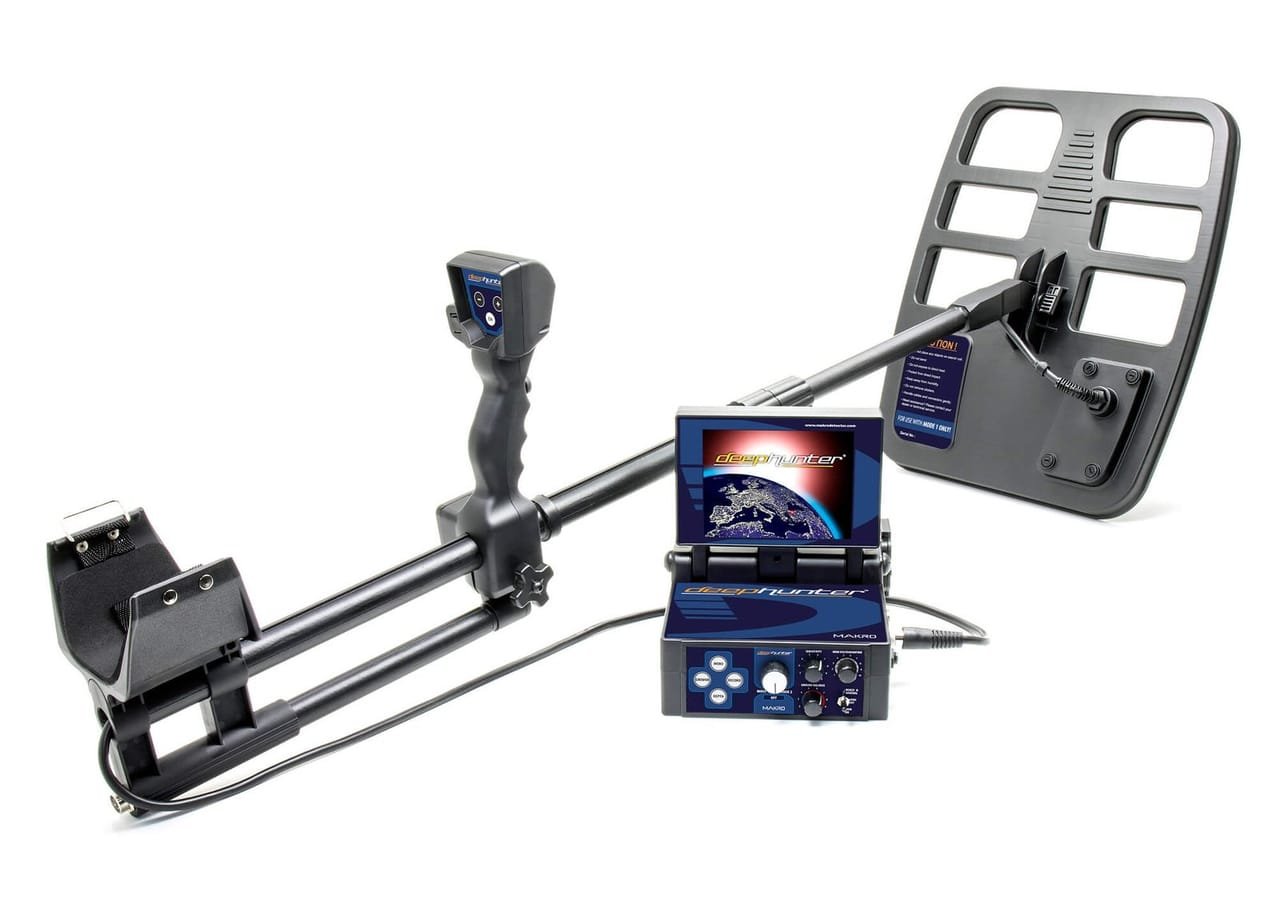
- 3D ground scanners (for example the Nokta Deephunter 3D Pro or OKM EXP 6000 PRO+): rated at roughly 9 to 20 feet depending on the model, but only for large objects and cavities. They will not show a coin or a small nugget at those depths.
How to get more depth from your detector
- Ground balance carefully, and re-balance when the soil changes.
- Run sensitivity as high as the ground allows while staying stable, not at maximum.
- Keep the coil close to the ground and swing slowly.
- Use fresh or fully charged batteries; weak power costs depth on some machines.
- Choose the right coil for the job: a larger coil for big, deep targets, a smaller one for tiny gold.
If you tell us on WhatsApp what you are searching for and what the ground is like, we will point you to the detector that suits it rather than simply the one with the biggest number on the box. Compare gold detector prices, long range locators and 3D ground scanners.
Frequently asked questions
How deep can a gold detector detect gold?
Small gold nuggets are usually found within the top few centimetres to about 30 cm, depending on size and ground. The depths of several feet quoted by manufacturers apply to large targets.
Which detector detects the deepest?
For large objects and cavities, 3D ground scanners such as the Lorenz Deepmax Z2 and Multimax are rated deepest. For gold nuggets, Minelab ZVT machines like the GPZ 7000 reach deepest in mineralised ground.
Looking to buy? See the full Gold Detectors price list.
Not sure which detector fits your ground? Message us the details and we'll point you to the right model.
Ask on WhatsApp