Coil size: bigger depth vs better sensitivity
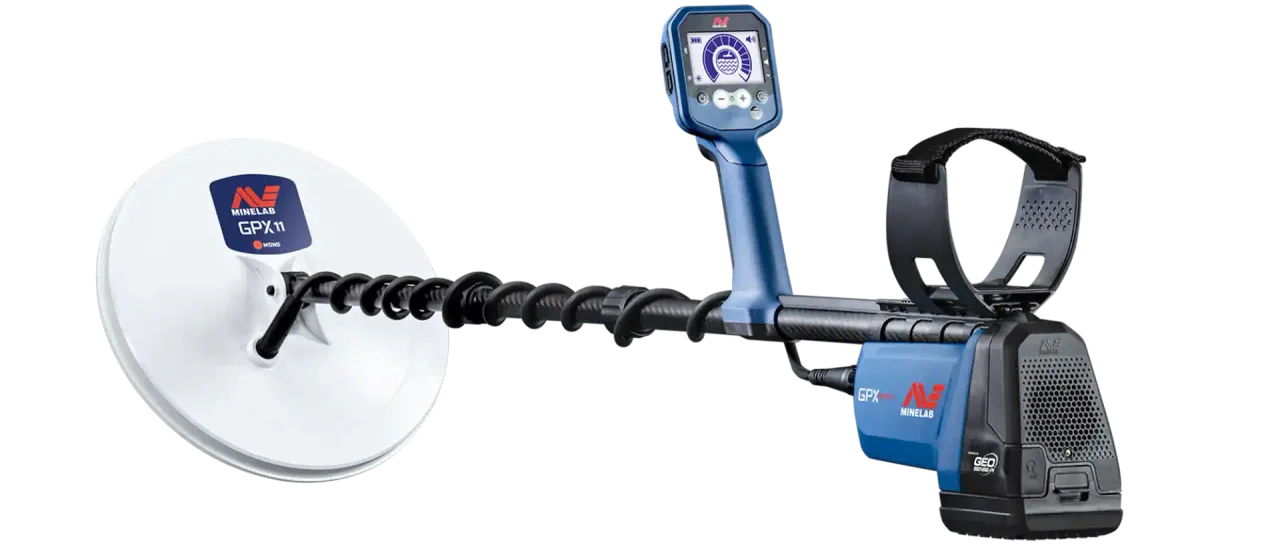
Coil size trades off in a fairly predictable way: larger coils generate a bigger, deeper electromagnetic field, so they detect larger targets deeper. Smaller coils generate a tighter field, so they're more sensitive to small targets and better at separating one target from another when the ground is littered with trash.
On open, low-trash ground — a beach, a field, open desert — a larger coil is usually the better default, since maximising depth is the main goal and there's little competing junk to complicate the signal. On a site with a lot of iron trash, nails, bottle caps or foil close together, a smaller coil's tighter footprint makes it much easier to isolate one target from its neighbours instead of getting one blended, unreadable signal from three overlapping objects.
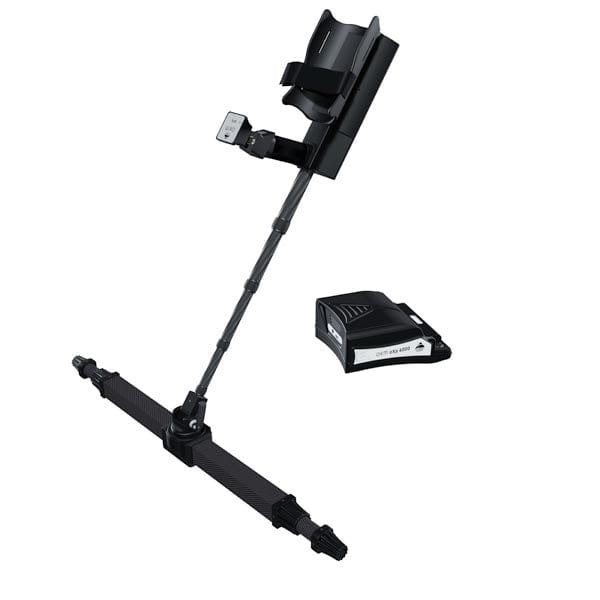
Coil shape matters alongside size. Concentric (round) coils give a sharper, more precisely located signal and generally handle trashy ground well. Double-D coils give a wider, more consistent field with better ground balancing performance on mineralised soil, at the cost of being slightly less precise about a target's exact location under the coil.
If you can only own one coil, match it to the ground you detect most often rather than to the biggest number on the spec sheet — a smaller, well-matched coil in trashy or mineralised ground will often out-find a larger one, even though the larger coil wins on a clean site.
Looking to buy? Browse our Gold Detectors range.
Not sure which detector fits your ground? Message us the details and we'll point you to the right model.
Ask on WhatsApp