Gold detector vs metal detector — what actually matters
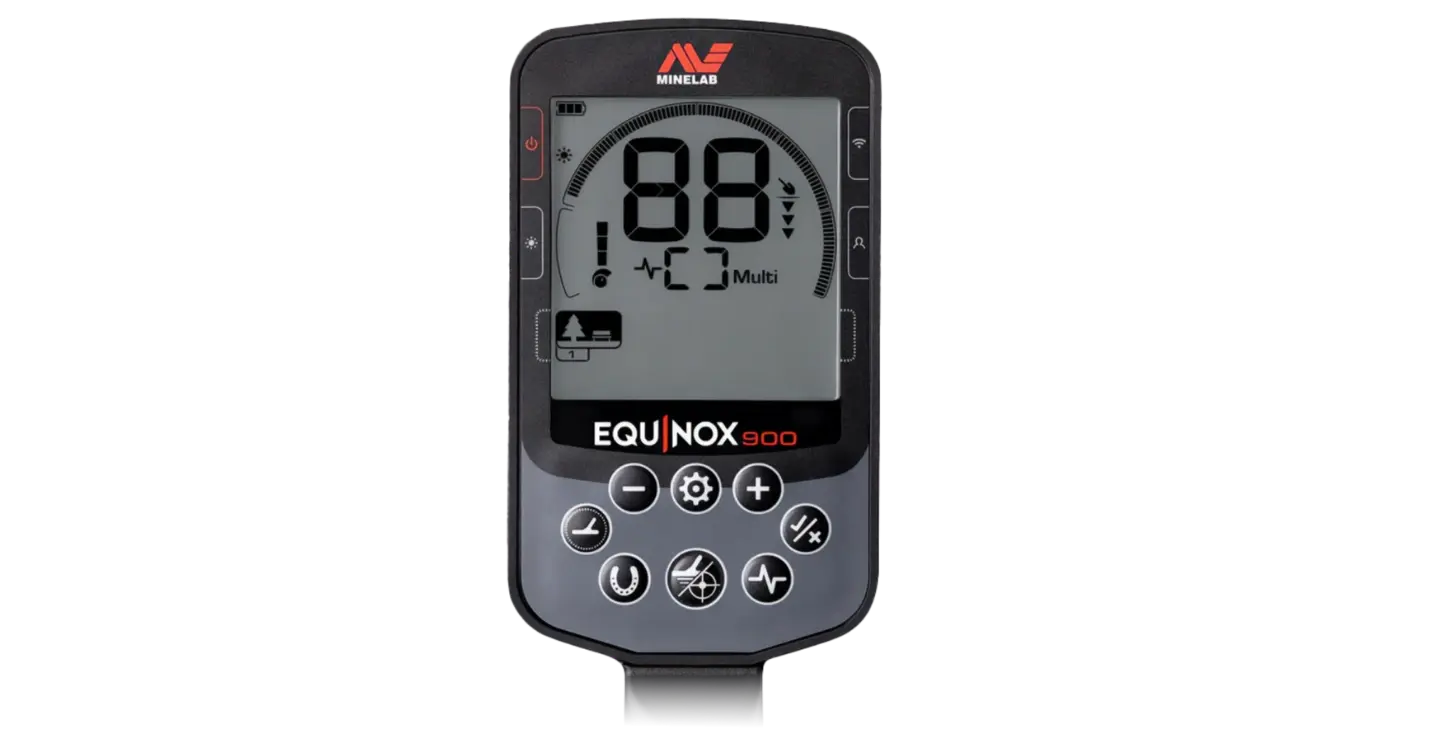
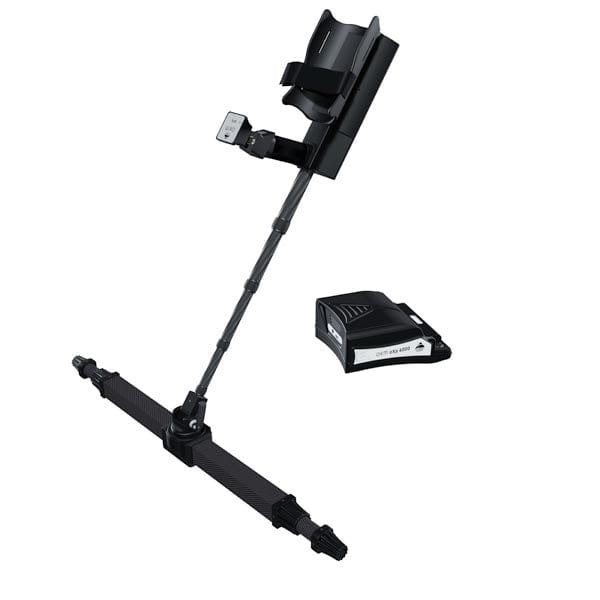
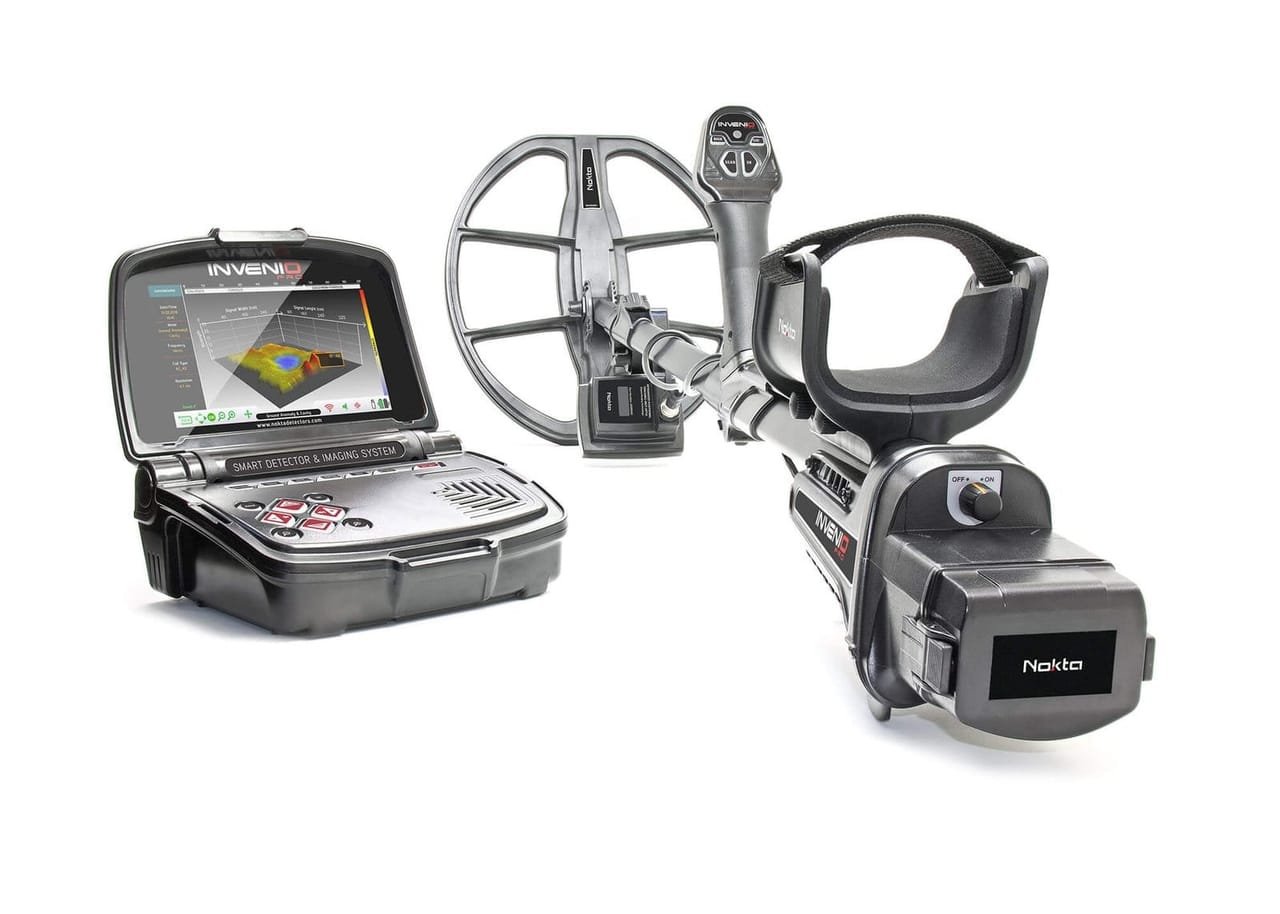
"Gold detector" and "metal detector" get used interchangeably, but they're built for different jobs. A general-purpose metal detector — the kind used for coins, relics and jewellery — is usually a VLF (Very Low Frequency) machine tuned to separate junk from good targets and give you a clear target ID before you dig. A dedicated gold detector is built around one problem: finding very small, very low-conductivity gold in ground that's often heavily mineralised.
That difference shows up in three places. First, frequency — gold detectors typically run much higher operating frequencies (commonly 18 kHz and up, sometimes multi-frequency) because small gold responds better to high frequency than the 5-15 kHz range that works fine for coins. Second, ground balance — gold-bearing ground is usually mineralised, so gold machines have more aggressive, often automatic tracking ground balance to cancel out that mineral "noise" in real time. Third, discrimination — a coin detector actively filters out iron and junk; a gold detector often runs with little or no discrimination, because small nuggets can read similarly to trash, and filtering by conductivity risks filtering out the gold too.
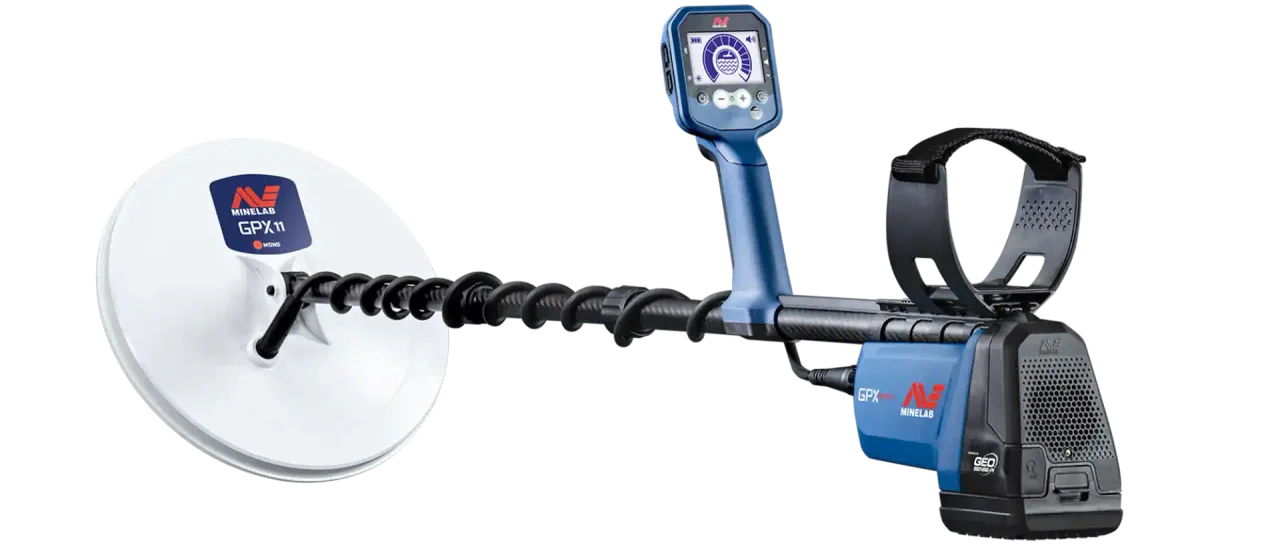
Pulse Induction (PI) machines sit in a separate category again — they largely ignore ground mineralisation altogether and are the standard choice for the most mineralised gold ground and for larger, deeper nuggets, though they usually can't discriminate targets the way a VLF can.
If you're hunting parks, beaches or old town sites for coins and relics, a general metal detector is the right tool. If you're prospecting mineralised ground for gold, a purpose-built gold detector — VLF or PI depending on the ground — is going to out-perform a general detector every time, even if the general machine has a higher price tag.
Looking to buy? Browse our Gold Detectors range.
Not sure which detector fits your ground? Message us the details and we'll point you to the right model.
Ask on WhatsApp