Reading your target ID before you dig
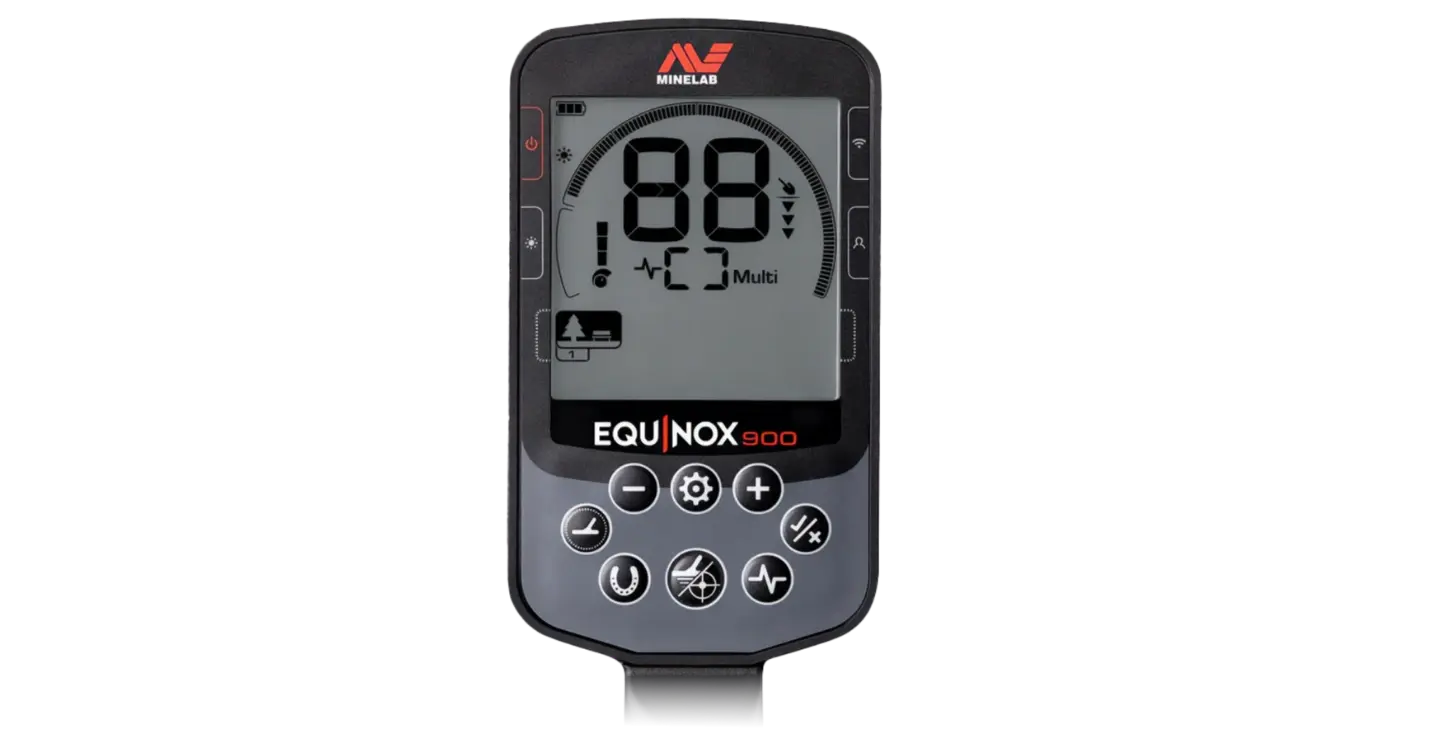
Most VLF detectors give you two pieces of information about a target before you dig: a tone, and a numeric target ID (often on a scale like -95 to 95, or 0 to 99 depending on the brand). Learning to read both together, rather than either one alone, is what cuts down on wasted holes.
Tone reflects the conductivity of the target — low-conductivity targets (small gold, foil, some iron) produce low tones, high-conductivity targets (large silver and copper coins) produce high tones, with everything else in between. Numeric ID refines that further and is generally more reliable for identifying a specific target type, but it's not infallible — target depth, orientation, size, and nearby trash can all shift the number.
A few things worth knowing: a stable, repeatable number from multiple directions is far more trustworthy than a single sweep. Two overlapping targets (a coin sitting next to a nail, for instance) often produce a blended, unstable ID that doesn't match either target cleanly — that instability is itself useful information. And target ID accuracy generally drops as depth increases, so a borderline number on a deep target is worth digging on masse-detected sites even if you'd otherwise pass on that ID closer to the surface.
No target ID system replaces digging test targets in your own soil with your own detector — mineralisation, coil type and discrimination settings all shift where a given object reads on the scale.
Looking to buy? Browse our Metal Detectors range.
Not sure which detector fits your ground? Message us the details and we'll point you to the right model.
Ask on WhatsApp