VLF vs Pulse Induction — which one for mineralised soil
VLF (Very Low Frequency) and PI (Pulse Induction) are the two dominant detector technologies, and the ground you're working is usually what decides which one makes sense.
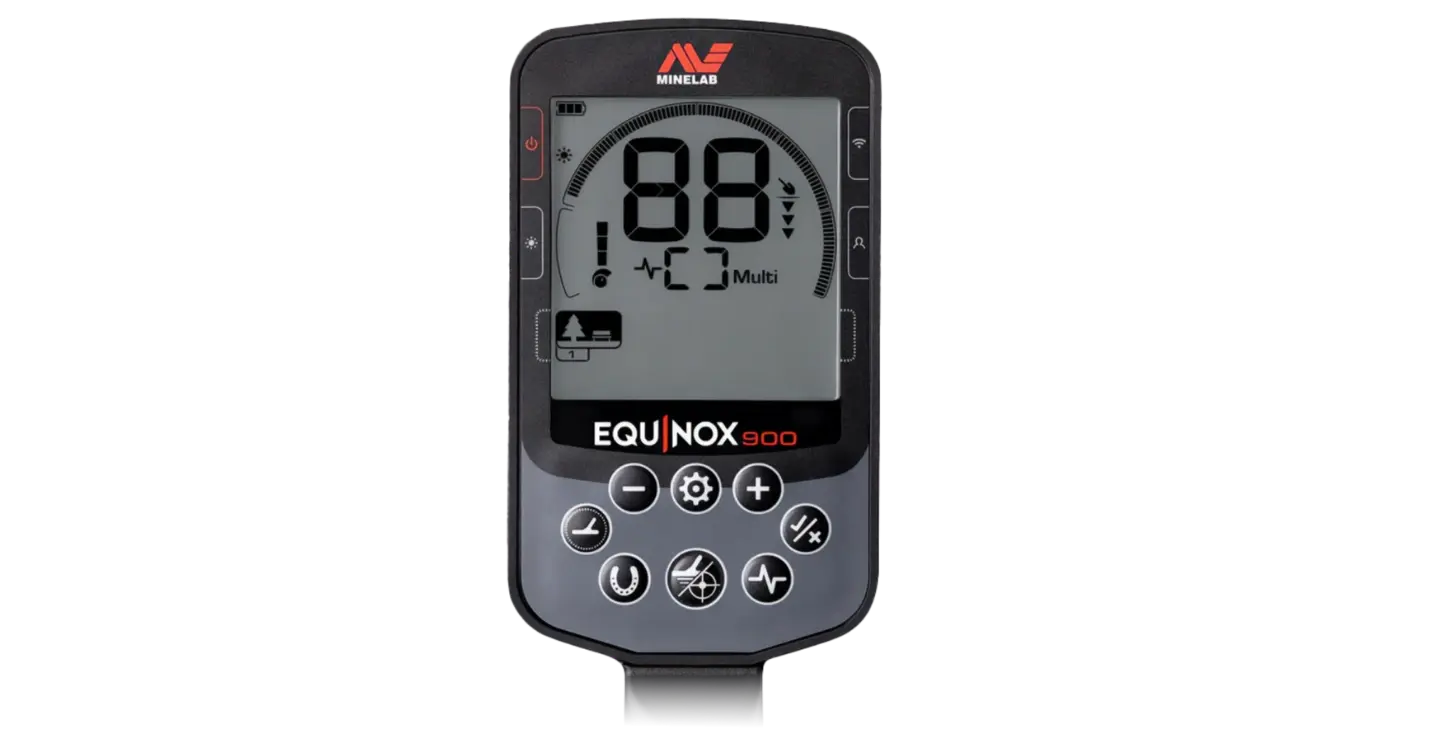
VLF detectors transmit a continuous frequency and read both the strength and the phase shift of the returning signal, which is what lets them give you a target ID and discriminate between iron, foil and good targets. Their weak point is mineralised ground — heavy mineralisation produces a phase response that can mimic or mask real targets, which is why VLF machines rely so heavily on good ground balancing.
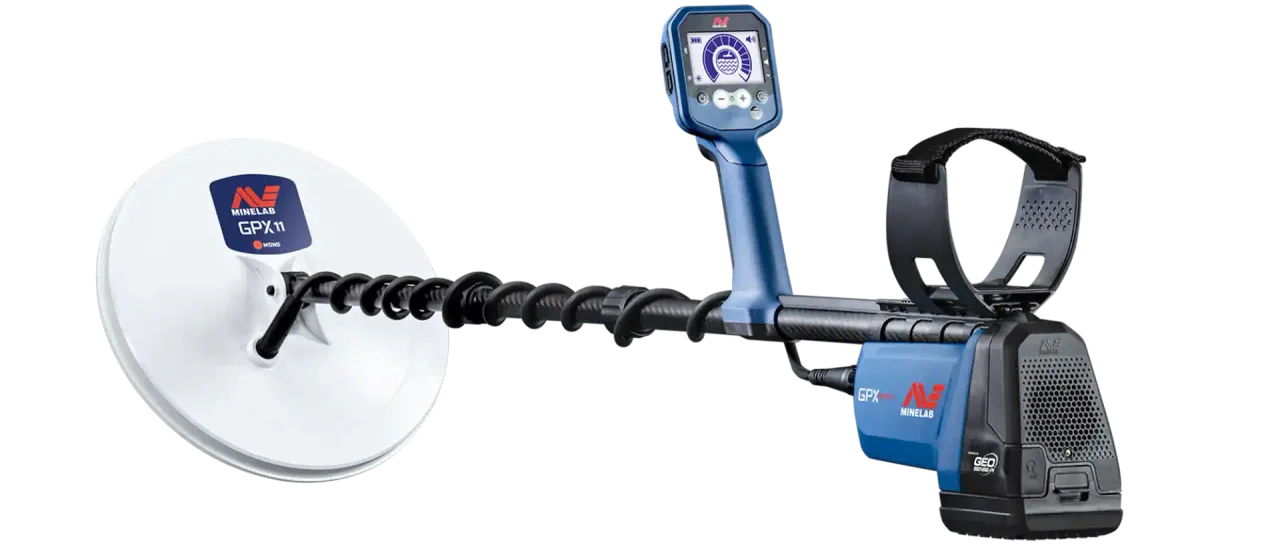
PI detectors send sharp pulses and measure how long it takes the eddy currents in a target to decay. Because that decay timing is largely unaffected by ground mineral content, PI machines shrug off mineralised and salt-laden ground that would drown out a VLF detector, and they generally punch deeper on larger targets. The trade-off is discrimination — most PI detectors give you little to no ability to tell a good target from ferrous trash, so you dig more iron.
As a rule of thumb: for coin, relic and jewellery hunting in normal-to-moderately mineralised ground, a good VLF machine with strong discrimination is the more practical choice. For gold prospecting in heavily mineralised or saline ground, or for maximum depth on larger targets where discrimination matters less, PI is usually the better tool. Some modern machines blend the two approaches (multi-frequency VLF, or selectable modes) specifically to cover both cases.
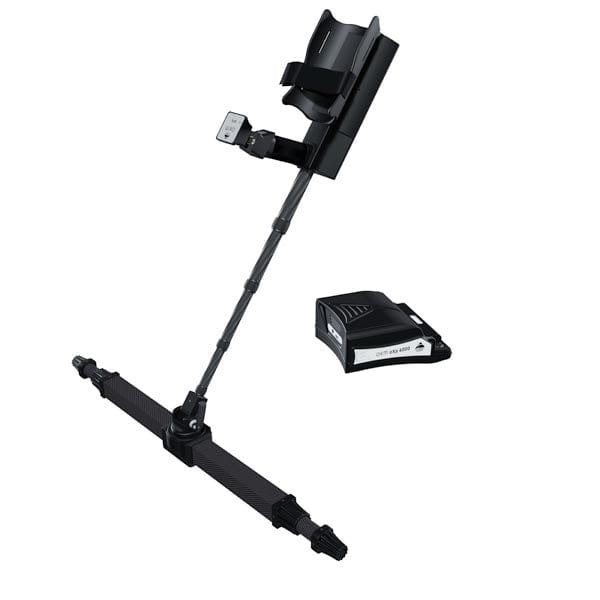
Looking to buy? Browse our Long-Range Locators range.
Not sure which detector fits your ground? Message us the details and we'll point you to the right model.
Ask on WhatsApp